Engineered for Safety—for Everyone
February 13, 2026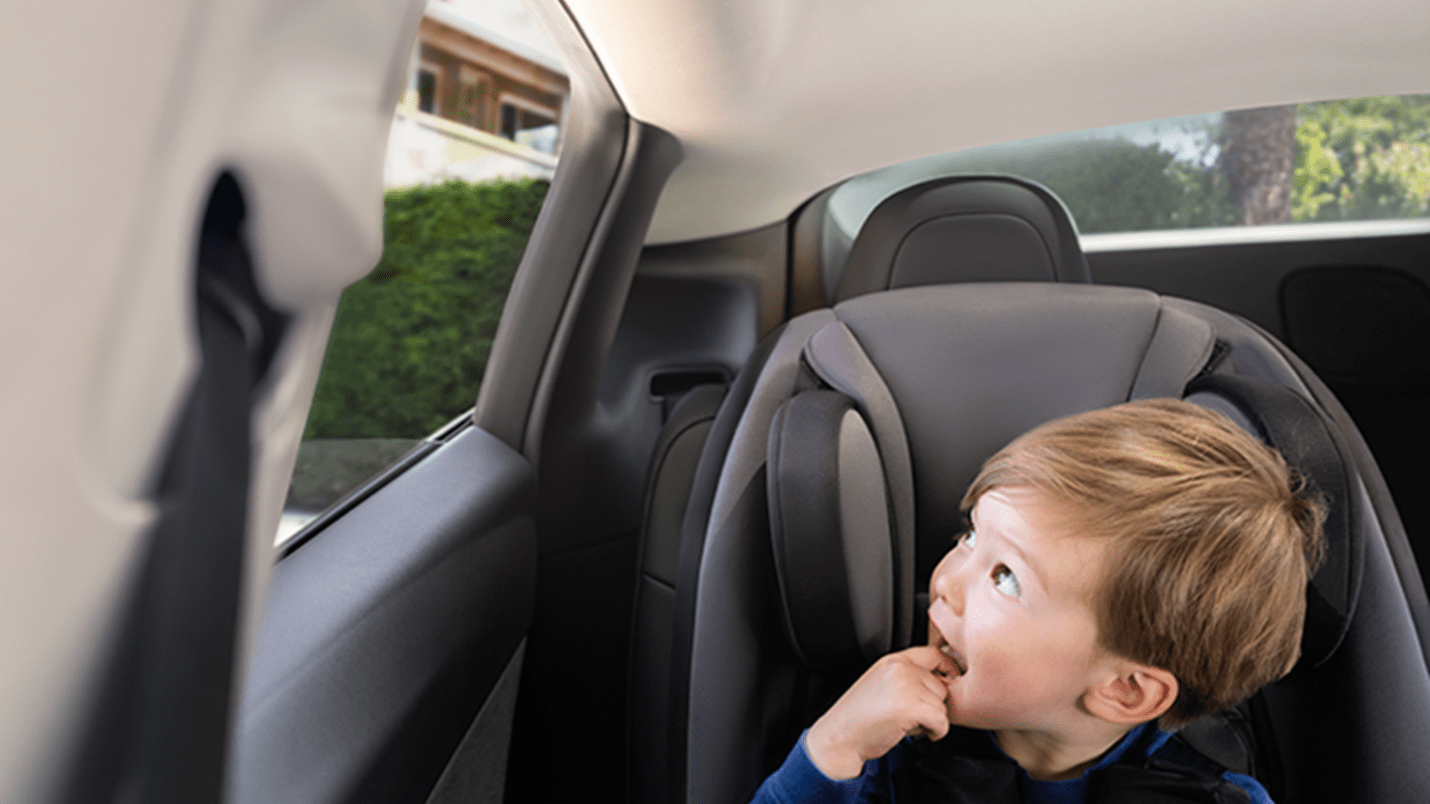
Tesla vehicles are engineered to be among the safest cars in the world—helping to protect every passenger, in every seat.
Traditional crash tests have historically been based on the average adult body type. While some manufacturers are beginning to adapt to evolving crash test standards, our approach has always focused on minimising injury risk for all occupants, regardless of size, seating position or scenario. This allows us to consistently achieve top safety scores across all categories, including more challenging ones, such as protection for second-row passengers, smaller occupants and children.
Every Tesla vehicle is designed with safety features, such as a rigid frame and large crumple zones to reduce the risk of occupant injury, while the structural battery pack creates a low centre of gravity to prevent rollover. We use billions of miles of anonymous real-world data from our global fleet to learn how collisions happen—and how we can help prevent them in the future. These data points enable us to continuously improve safety through over-the-air software updates and passive safety enhancements like advanced forward collision structures and far-side airbags.
Leading in Global Safety Ratings
- Model 3 and Model Y have consistently received exceptional ANCAP safety ratings for Child Occupant Protection in second-row seating positions.
- Every Tesla vehicle we currently sell in Australia and New Zealand has earned the highest safety accolades from ANCAP.
- New Model Y achieved the top score for vehicles tested under 2023-2025 protocols for Safety Assist (92%) including AEB Junction & Crossing, AEB Head-On, driver monitoring, and lane support systems.
- Our vehicles have received top scores from crash testing agencies worldwide, exceeding global safety standards.
Designed for Family Safety
Tesla Occupant Classification Systems (OCS) provide a comprehensive suite of seat safety sensors that maximise protection for all occupants, from adults of all sizes to infants in car seats. The system intelligently detects passengers' characteristics, enabling optimal restraint and airbag deployment based on occupant size, position and environmental factors.
Across our global vehicle lineup, second-row outboard seats include ISOFIX anchor points—rigid anchor points for securing child safety seats. Our seatbelt pretensioner activates instantly in a collision, helping reduce slack and protect occupants. While other vehicles may have this feature limited to just front seats, Tesla vehicles include shoulder pretensioners in both front and rear seats. This latest technology is particularly beneficial for smaller adults and children in the backseat, contributing to our second-row seat crash safety performance.
Roof strength is a key part of rollover protection. In the Insurance Institute for Highway Safety (IIHS) testing, Model Y’s glass roof outperforms metal roofs from other manufacturers in roof strength tests, resisting more than four times the vehicle’s weight at over 8,600 kg of force—without compromising cabin integrity.
As we continue to advance our vehicle safety technologies, keeping all occupants safe remains our first priority.